15 Secretly Funny People Working In Wall Fireplace
The Rise of In-Wall Fireplaces: A Modern Approach to Cozy Living
In-wall fireplaces have risen in popularity over the previous few years, redefining conventional heating methods and home aesthetics. These streamlined and stylish fixtures not only supply warmth however likewise combine functionality with visual appeal, serving as sensational focal points in contemporary home. This post checks out the various advantages, types, setup processes, and considerations regarding in-wall fireplaces, while addressing some regularly asked concerns.
What is an In-Wall Fireplace?
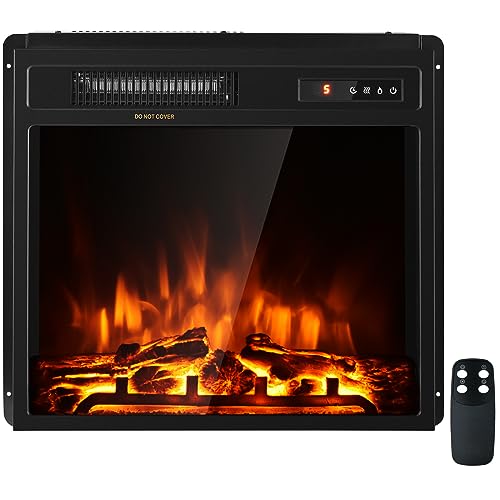
An in-wall fireplace, also understood as an integrated fireplace, is a fireplace that is flawlessly integrated into the wall of a home, conserving area while offering a modern-day visual. These fireplaces can work on gas, electrical power, or wood, depending upon personal preferences and home requirements.
Types of In-Wall Fireplaces
In-wall fireplaces can be found in several types, each serving different requirements and choices:
Gas Fireplaces:
- Use gas or lp.
- Offer instant heat with adjustable flame settings.
- Need venting options.
Electric Fireplaces:
- Use electrical energy to develop an artificial flame.
- Can be installed in spaces without a chimney.
- Offer simple temperature level control and frequently come with customizable features.
Wood-Burning Fireplaces:
- Provide a standard and rustic charm.
- Require a chimney for venting smoke.
- Offer the genuine experience of burning wood.
Ethanol Fireplaces:
- Use bio-ethanol, a renewable resource source.
- No requirement for venting or gas lines.
- Eco-friendly and readily available in numerous designs.
Benefits of In-Wall Fireplaces
In-wall fireplaces provide many benefits over conventional freestanding designs, making them an attractive choice for many house owners:
Space-Saving Design:
- They fit flush versus the wall, making them ideal for smaller areas or contemporary homes where floor area is a premium.
Improved Aesthetics:
- They work as striking visual elements, creating a modern-day, clean look that can boost any space's decoration.
Increased Property Value:
- An in-wall fireplace can considerably increase the worth of a property, making it an appealing feature for prospective property buyers.
Improved Heating Efficiency:
- Many modern-day in-wall fireplaces are created to be more energy-efficient, leading to lower energy expenses and much better heat circulation.
Modification Options:
- Customized designs and surfaces can match any home style, enabling personal expression.
Installation Considerations for In-Wall Fireplaces
Before installing an in-wall fireplace, house owners need to consider different aspects:
Building Codes:
- Understanding local building regulations and regulations is important, particularly worrying venting requirements for gas or wood-burning alternatives.
Space and Ventilation:
- Determining the quantity of space available and making sure correct ventilation are vital for efficient operation.
Electrical Work:
- For electric and ethanol fireplaces, consider existing electrical systems and whether extra electrical wiring is needed.
Heat Resistance:
- Ensure materials utilized in the installation are heat-resistant to prevent risks.
Assessment with Professionals:
- Consulting with a certified installer or professional can help guarantee that the fireplace fulfills all security standards and functions efficiently.
Comparison Table of In-Wall Fireplace Types
Type
Set up Cost
Upkeep
Heat Output
Ventilation Needs
Gas Fireplaces
Moderate
Low
High
Required
Electric Fireplaces
Low
Really Low
Moderate
Not Required
Wood-Burning
High
Moderate
Really High
Needed
Ethanol Fireplaces
Moderate
Low
Moderate
Not Required
FAQs about In-Wall Fireplaces
1. Are in-wall fireplaces safe?
Yes, when set up properly and maintained frequently, in-wall fireplaces are safe. It's important to follow all setup guidelines and security recommendations.
2. How do I choose the best kind of in-wall fireplace?
Consider aspects such as your heating requires, aesthetics, spending plan, and available installation area. fireplacesandstoves.uk has its advantages and factors to consider.
3. Can I install an in-wall fireplace myself?
While small electric fireplaces might be DIY-friendly, gas or wood-burning units typically require professional setup to adhere to safety codes.
4. Just how much does it cost to set up an in-wall fireplace?
Expenses can vary commonly based upon the type of fireplace, installation complexity, and regional labor rates. Usually, installation costs vary from ₤ 1,500 to ₤ 5,000 or more.
5. Do in-wall fireplaces require ventilation?
Gas and wood-burning fireplaces normally need appropriate ventilation to expel exhaust fumes, while electric and ethanol designs typically do not.
In-wall fireplaces supply a contemporary solution to heating and styling an area, combining aesthetic appeal with performance. With different types readily available and numerous aspects to consider during setup, homeowners can discover an in-wall fireplace that fits their lifestyle and improves their living environment. As the trend continues to grow, these fixtures are proving to be a wise investment for modern-day homes. Whether selecting gas, electric, wood-burning, or eco-friendly ethanol choices, an in-wall fireplace can add warmth, character, and beauty to any setting.